
How to Use a Water Flosser Properly: Step-by-Step Guide for Beginners
- oracuradentalcare
- Nov 10, 2025
- 4 min read

Maintaining good oral hygiene goes far beyond just brushing twice a day. One of the most overlooked yet crucial parts of oral care is cleaning between your teeth and along the gum line — the areas where plaque and food debris often hide. While traditional string floss can get the job done, many people find it uncomfortable or difficult to use. This is where a water flosser, also known as an oral irrigator, comes in handy.
A water flosser uses a stream of pressurized water to remove food particles, plaque, and bacteria from between teeth and below the gum line. It’s easy, effective, and gentle — making it a great choice for people with braces, implants, crowns, or sensitive gums. If you’re new to using one, this step-by-step guide will help you get started with confidence.

What Is a Water Flosser and Why Use It?
A water flosser is a device that directs a stream of pulsating water between your teeth and gums to clean areas that your toothbrush can’t reach. It’s designed to:
Remove plaque buildup
Prevent gum disease and bleeding
Improve breath freshness
Enhance gum health and blood circulation
Provide a comfortable, mess-free flossing experience
According to the American Dental Association (ADA), water flossers are an effective alternative for reducing gingival bleeding and plaque compared to string floss — especially for individuals who struggle with manual dexterity or wear orthodontic appliances.
Step-by-Step Guide to Using a Water Flosser Properly
Step 1: Choose the Right Water Flosser for You
Water flossers come in different types:
Cordless water flossers – portable and travel-friendly.
Countertop water flossers – larger units with more pressure options.
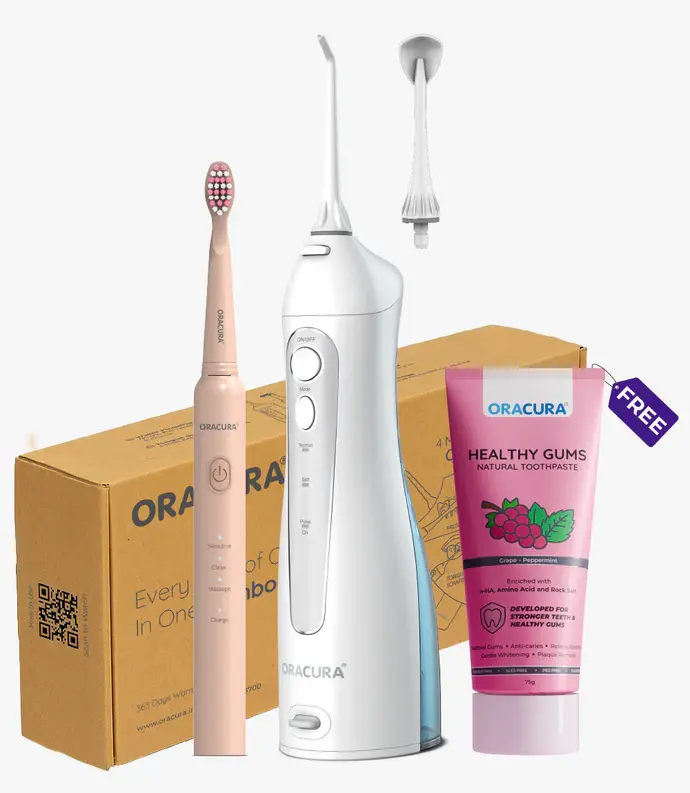
Smart water flossers – advanced models with multiple modes and features.
Choose one that suits your lifestyle, space, and comfort. Beginners often prefer cordless models for ease of handling.
Step 2: Fill the Reservoir with Lukewarm Water
Remove the water tank and fill it with lukewarm or room-temperature water. Cold water can be uncomfortable, especially if you have sensitive gums or teeth. Some people like to add a mouthwash or antiseptic rinse (diluted with water) for added freshness — but check your flosser’s manual first to ensure compatibility.
Secure the tank back onto the device before turning it on.
Step 3: Select and Attach the Right Nozzle Tip
Most water flossers come with different nozzle tips such as:
Standard Jet Tip – for everyday cleaning.
Orthodontic Tip – for braces and dental appliances.
Periodontal Tip – for deep cleaning under the gumline.
Tongue Cleaner Tip – for eliminating bacteria from the tongue surface.
Attach the tip firmly into the handle until it clicks into place.
Step 4: Adjust the Pressure Setting
If your flosser has adjustable pressure levels, start with the lowest setting for your first few uses. Once you feel comfortable, you can gradually increase it based on your preference and gum sensitivity.For most people, medium pressure provides a good balance between comfort and effectiveness.
Step 5: Position Yourself Properly
Lean slightly over the sink to avoid splashing. Keep your mouth partially open to let the water flow out comfortably.It’s best to begin with the back teeth and move toward the front for a systematic cleaning routine.
Step 6: Aim the Tip at a 90° Angle
Point the nozzle at a 90-degree angle to your gumline. Glide the tip along the gumline and pause briefly between teeth to allow the water to clean thoroughly.The steady stream of pulsating water will dislodge trapped food particles and plaque, helping prevent gum inflammation and bad breath.
Step 7: Follow a Systematic Path
Move the nozzle slowly and steadily:
Start from the upper molars on one side.
Move across to the other side, tooth by tooth.
Repeat for the lower teeth.
Don’t forget the back of your molars, where debris often collects.
The entire process should take about 1–2 minutes.
Step 8: Empty and Clean the Water Tank
After flossing, always empty the remaining water from the tank to prevent bacterial growth. Rinse the tank and the tip under clean water.If your flosser has a removable nozzle, detach it and allow it to air dry completely.
For deep cleaning, soak the nozzle tip in vinegar-water solution (1:1 ratio) once a week to remove mineral buildup and keep it hygienic.
Bonus Tips for First-Time Users
Use daily: For the best results, use your water flosser once a day — preferably before brushing.
Be patient: It might feel messy the first few times, but you’ll quickly get used to the process.
Replace nozzle tips: Change your water flosser tips every 3–6 months for consistent performance.
Combine with brushing: Pair your water flosser with an electric toothbrush for complete oral hygiene.
Common Mistakes to Avoid
Using water that’s too cold or too hot, which can irritate your gums.
Skipping areas between back teeth — these often hold the most plaque.
Not adjusting pressure for sensitive gums, which can cause discomfort.
Neglecting to clean the device, leading to mold or bacterial buildup.
Holding the flosser too far from the gumline, reducing cleaning efficiency.
Why Water Flossers Are Worth It
Consistent use of a best water flosser in India can dramatically improve gum health, reduce bleeding, and give you fresher breath. Studies show that water flossers can remove up to 99.9% of plaque from treated areas and are twice as effective at reducing gingivitis compared to traditional floss.
Whether you have braces, implants, or simply want a more thorough clean, a water flosser can be a game-changer in your oral care routine.
Final Thoughts
Learning how to use a water flosser properly may take a few tries, but once you get the hang of it, it’s one of the simplest and most rewarding steps you can take toward better oral health.By following this guide, you’ll keep your teeth cleaner, your gums stronger, and your smile fresher — effortlessly.
So, if you’ve been struggling with string floss or looking for a smarter way to maintain oral hygiene, it’s time to switch to a water flosser and experience the difference for yourself.


Comments